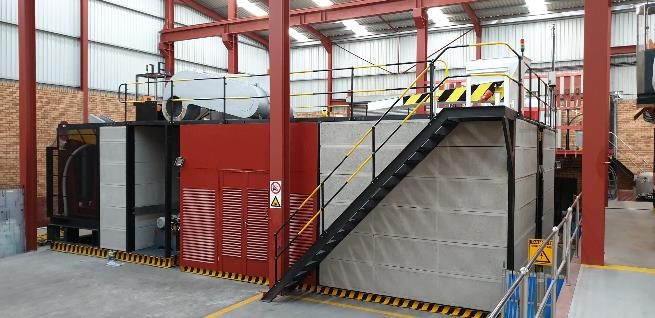
Induction melting is nothing new to the world, it has been around for nearly the last 100 years, however with the challenge of higher electrical energy cost and environmental issues CUCO has looked at a new approach.
Our systems are designed to optimise the electrical energy requirements based on the utility available and work on Automated Temperature control rather than having the operator control the process. Working with the client and the utility to provide the most cost effective solution to specific requirements.
Our complete design is focused on allowing for all eventualities and requirements for operating a production orientated plant with downtime limited to the absolute minimum.
Safety is of paramount importance and we work with the customer to allow adequate training for operators and operation that is safe form the foreseeable hazards of foundries and furnaces
performance and features
Zero-voltage scanning soft start or stop at any time under any state without impact on power supply.
Speedy melting, low production cost, low pollution, conforming to environmental protection requirement.
Melting directly from low temperature, available for fully emptying of solution, easy change of category of melting material.
Flexibly adjustable power, easy and continuous smooth adjustment, easily controllable temperature, low oxidization loss, uniform metal content.
Furnace shell with steel shell construction, small footprint.
Full automatic or manual operation, including PLC (programmable) controller and HMI (man-machine interface) plus industrial computer system to allow for logging and data storage.
Ethernet connectivity.
Main control loop is based on material and temperature control loop. Temperature feedback will be from a HERAEUS Digi temp Controller
furnace design
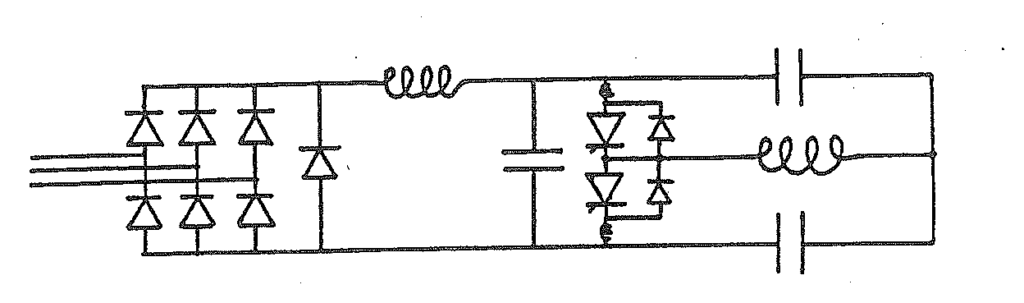
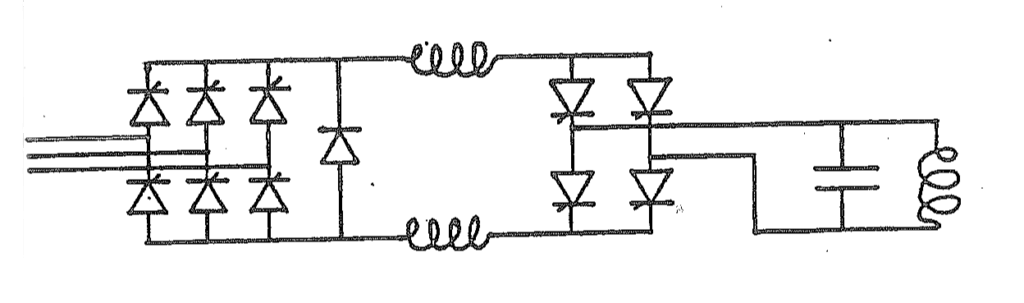
There are two main designs that is used in Induction Furnaces. The Series or Voltage Fed inverter and the Parallel or Current Fed inverter.
The Voltage fed inverter has a fixed voltage rectifier followed by a DC choke and Capacitor. This gives a low impedance input to the inverter and is connected in Series with the PFC capacitor.
Advantages are that this is economical to make at small sizes, has a good PF through the entire power band and can be matched to a wide range of load impedances.
The Current fed inverter has a controlled rectifier section, supplying variable DC voltage to a DC choke and full bridge inverter. The High frequency output is connected to the furnace coil in parallel to the PFC capacitors.
Advantages are higher efficiency at rated power due to lower inverter losses, the DC choke allows for good current ripple and current control plus acts as a current limiting device in over current conditions. Voltage and Frequency control gives higher reliability at higher power levels.
Disadvantages are the reduced supply PF experienced at lower than design power levels and has limited range of load impedance matching for full operation.
Cooling design
On systems larger than 500kW CuCo will split the Electronics and the Furnace cooling into two separate circuits. The main reason for this is that the electronics cooling, although important, is not critical like in the case of the furnace; and that we like to run our electronics on a closed circuit demineralized water system whereas the furnace can work with normal plant water. Plant water should have a conductivity of <100µS with a PH of 6.5 – 8.5.