Grinding media
Efficient Solutions for Precision Grinding
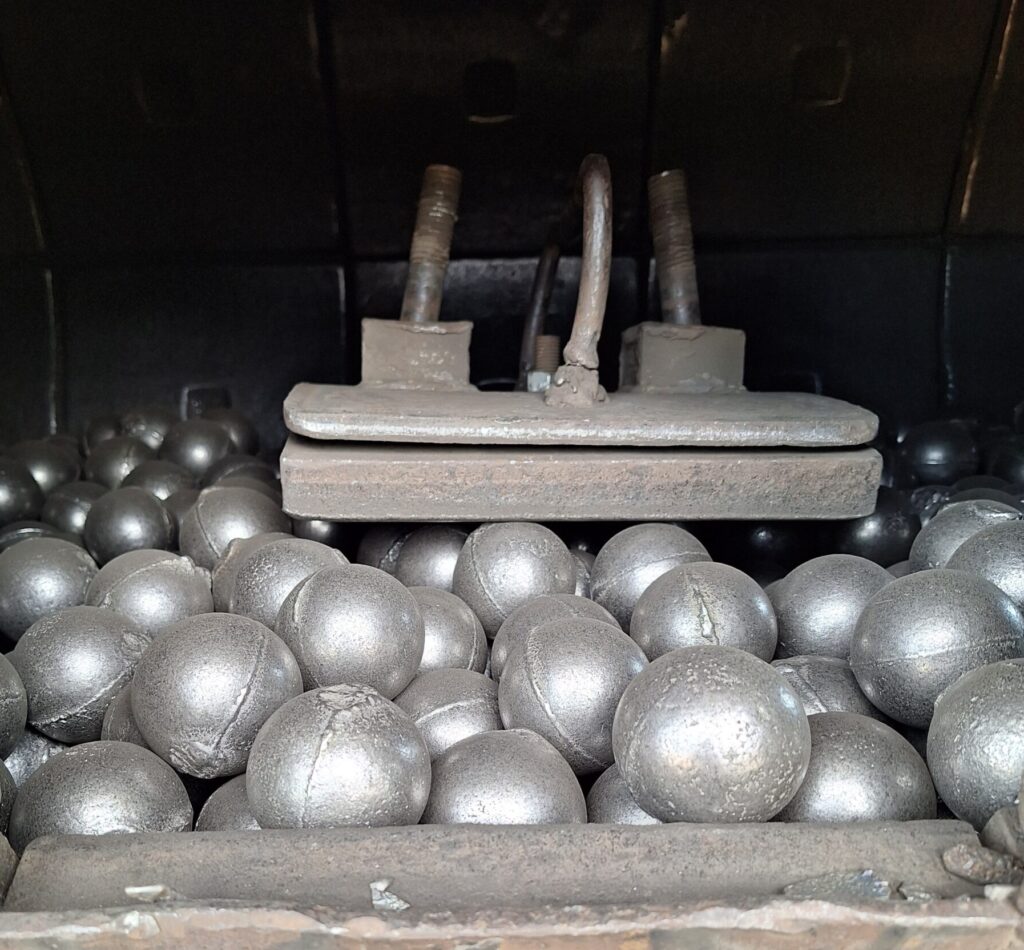
We specialize in the production of high cast chrome steel grinding media balls, known for their exceptional hardness, wear resistance, and long service life. With advanced manufacturing technology and strict quality control, our grinding balls deliver superior performance in high-impact milling environments, making us a trusted partner for clients across mining, cement, and industrial sectors.
charge preparation
The practice of cleaning, carefully storing and preheating charge to remove dirt, rust, oils, lacquers and moisture (especially by foundries melting iron and aluminium) has several benefits.
Reducing slag formation and increase electrical efficiency
Most foundries are now working with their suppliers to ensure their scrap is pre-cleaned. Dirty charge and the addition of oxides and non-metallic compounds to remove impurities significantly affects the type and quantity of slag formed. When slag makes contact with the refractory lining of the furnace it cools and adheres. The gradual slag build up increases the furnace wall’s thickness (through which heat is transferred to the metal) which can greatly reduce the furnace’s overall electrical efficiency and capacity. For example, in a 5 tonne coreless induction furnace a slag build-up to an overall thickness of 15.5 cm reduces the furnace capacity to 4.5 tonnes.
Dirty charge also wastes energy that could be utilised for melting the charge. Sand for example has twice the heat content of iron. Therefore, every kilogram of sand in the charge heated with the metal uses the same amount of energy as it would take to melt two kilograms of iron.
Undercover storage ensures the charge remains dry. When moisture encounters molten metal, it can flash to steam with sufficient force to damage equipment and cause injuries to workers. This risk can be reduced by storing metal in waterproof areas and/or slowly preheating the metal to evaporate the water before putting it into the furnace.
loading the charge
Furnaces are typically loaded using automated handling and weighing equipment. Equipment includes cranes, magnets and claws to pick up the metal and put it into buckets or conveyors for loading into the furnace.
Furnaces are either:
- Loaded cold which means the entire furnace mass must be heated as well as the metal; or
- Continuously operated so the furnace stays hot and only the metal needs to be heated.
casting
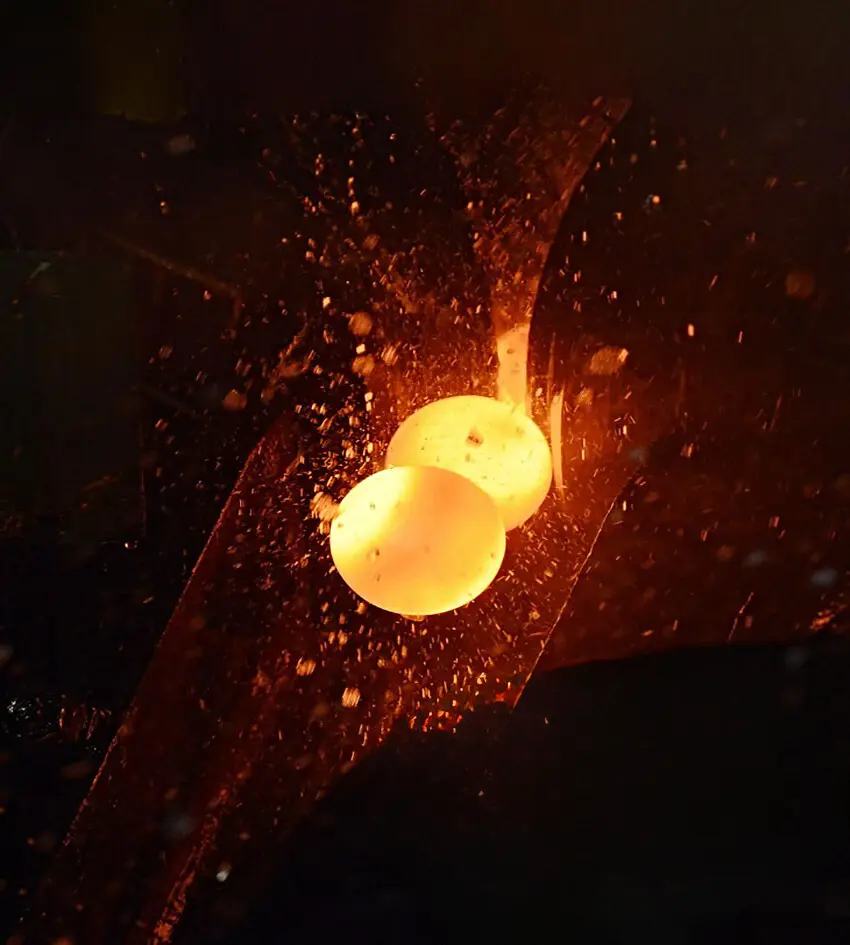
After the raw scrap has been melted and all the slag has been removed from the molten metal bath, the molten metal is then transferred into a ladle and transported to the casting line where the molten metal is poured into the moulds.
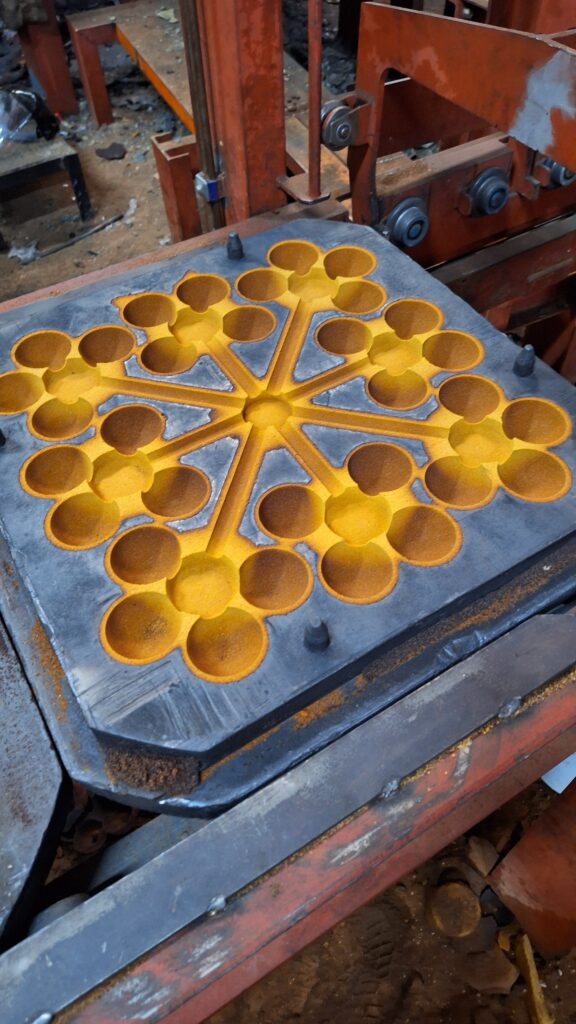
The molding process used is a resin shell casting technique where resin mixed sand is sprayed into the mold to form a protective layer against the steel, the to molds when closed consists of cavities inside in which the molten metal fills and forms the solid grinding media.